HOA board members and property managers have a difficult job in maintaining common area infrastructure. It’s a balancing act between budget planning, resident satisfaction, and long-term property value.
Paved surfaces, including community roads, visitor parking lots, sidewalks, clubhouse driveways, and pool decks, represent some of the most expensive assets an HOA oversees. When maintained proactively, these surfaces have aesthetic appeal and help keep the neighborhood safe. When neglected, they quickly lead to resident complaints, liability risks, and emergency repairs that drain reserve funds.
Inventorying Your HOA’s Paved Common Areas
HOA maintenance strategy should begin with a thorough evaluation of paved surfaces. Different common areas experience distinct traffic patterns and environmental exposure, requiring specific maintenance approaches.
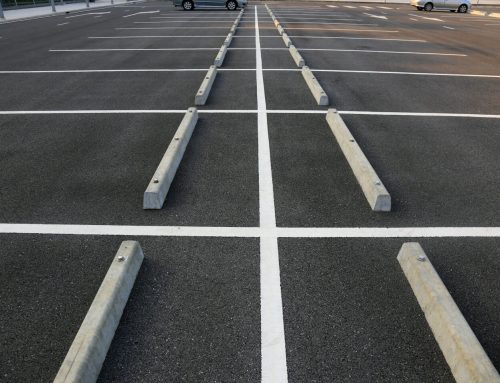
Community roads and main entry drives handle constant daily vehicular traffic, heavy delivery vehicles, and weekly trash trucks, making subbase stability and proper water drainage essential. Meanwhile, clubhouse and visitor parking lots need to look good, with crisp line markings, ADA-compliant stalls, and smooth pavement for guest safety.
Pedestrian walking paths and sidewalks present unique liability considerations; ground settling, tree root intrusion, and cracked surfaces must be addressed quickly to prevent trip hazards. Finally, amenity spaces like pool decks and outdoor patios face constant standing water and chemical exposure, making proper surface slope and slip resistance critical.
Essential Maintenance Strategies for HOAs
Rather than waiting for complete pavement failure, successful HOAs follow a preventative maintenance cycle. Implementing cost-effective repairs early can extend total pavement lifespan by 10 to 15 years.
Hot-Rubberized Crack Sealing
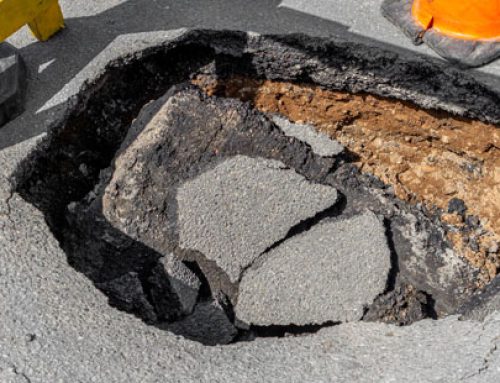
Water penetration is the biggest threat to asphalt durability. When small surface cracks develop, rainwater seeps into the subgrade soil underneath, eroding the foundation and creating air pockets that will turn into potholes. Sealing cracks early with hot-rubberized sealant creates a flexible, waterproof barrier that stops subbase damage in its place.
Professional Sealcoating
The sun (especially in Texas) can be a problem for asphalt, causing essential binding oils to dry out and turning dark pavement brittle and gray. Applying a commercial-grade sealcoat every 3 to 5 years shields the surface from UV oxidation, oil spills, and rain damage while also restoring the community’s overall appearance.
Patching and Pothole Repair
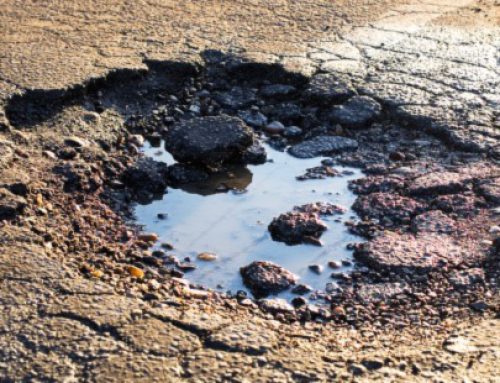
When surface wear progresses beyond cracks, localized asphalt fixing will be needed quickly, as potholes tend to grow. Promptly excavating and repairing potholes restores structural integrity, prevents tire damage for residents, and stops potholes from expanding.
Striping and Traffic Markings
Bright, clear pavement markings keep shared parking spaces organized and maintain ADA compliance. Re-striping parking stalls, crosswalks, stop bars, and speed bumps alongside routine sealcoating ensures traffic safety throughout the neighborhood.
Strategic Budgeting and Reserve Planning
Major paving failures often lead to sudden special assessments when boards fail to account for long-term asphalt aging and lifecycles. To protect community reserve funds, HOA boards would ideally schedule walk-throughs each Spring with a trusted paving contractor to catch minor defects before they worsen.
Aligning these annual inspections with the community’s reserve study ensures funds are accurately allocated for routine sealcoating every 3 to 5 years, resurfacing overlays at the 15-to-20-year mark, and, eventually, complete reconstruction when pavement reaches the end of its lifecycle. For larger developments, contractors can phase repaving projects over 2 to 3 fiscal years to keep budgets manageable.
Minimizing Resident Disruption During Paving
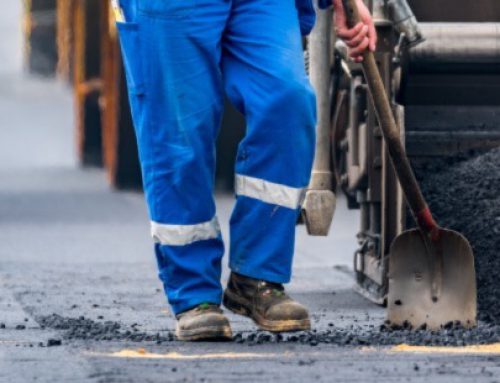
Paving projects directly affect daily resident access, making clear communication essential to project success. Boards should distribute notices at least two weeks before work begins, outlining project timelines, temporary road closures, and designated overflow parking areas. Coordinating in advance with emergency services, waste management, and mail delivery prevents service interruptions, while clear site barricades ensure drivers and pedestrians navigate safely around active work zones.
Partner with a Local Paving Specialist
Managing HOA infrastructure doesn’t have to be overwhelming. Premium Asphalt Paving & Sealcoating works closely with HOA boards, property managers, and community directors across Bryan, College Station, and the Brazos Valley to deliver durable, cost-effective paving solutions on time and within budget.